
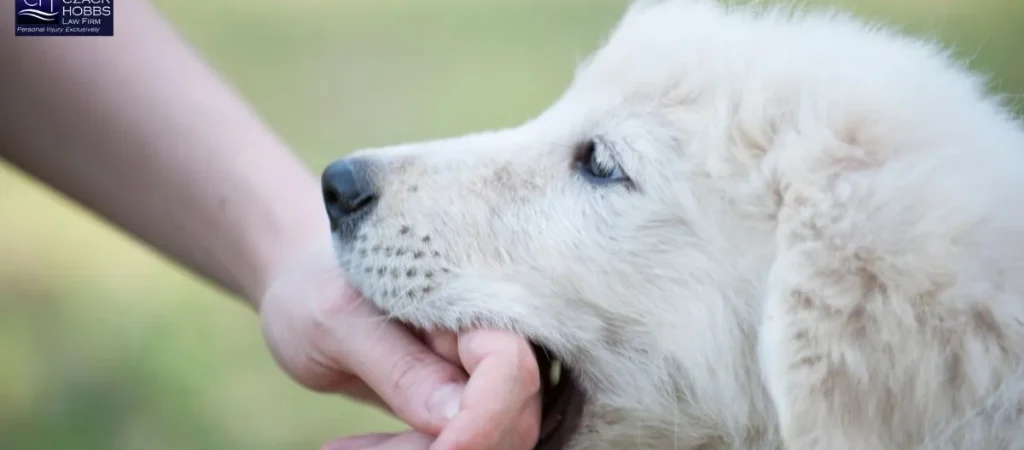

A dog bite already hurts enough without the owner turning around and blaming you for it. Insurance adjusters lean on Ohio’s dog bite provocation defense hoping you back off before learning whether it even applies. Ohio holds most dog owners strictly liable, and that defense only works under conditions the owner has to prove, not you.
An Ohio dog bite attorney at The Czack Hobbs Law Firm can look at what actually happened and explain how the law treats it. Request a consultation before you say anything else to the insurance company.
What Counts as Provocation Under Ohio’s Dog Bite Law
Ohio Revised Code Section 955.28(B) makes the owner, keeper, or harborer of a dog liable for most injuries the dog causes. The law carves out a few narrow exceptions. The main ones cover a person who was committing a crime, such as criminal trespass, or teasing, tormenting, or abusing the dog on the owner’s, keeper’s, or harborer’s property. Hitting the dog or causing it real pain on purpose can count as abuse.
Backing away from a loose dog on a sidewalk does not. A separate section of Ohio’s dog law defines a “vicious dog act.” That definition also hinges on whether the dog acted without provocation.
Who Has to Prove the Dog Was Provoked
Ohio courts treat provocation as a defense the owner has to prove. The person who was bitten does not have to disprove it. An insurance adjuster cannot simply claim provocation and expect it to stick, because the burden is on the owner.
Does It Matter If a Child Was Involved?
Very young children often cannot legally provoke a dog. Ohio courts have held that a three-year-old cannot tease, torment, or abuse a dog, but older children can. Insurers sometimes raise provocation anyway, hoping a family won’t push back, but that argument may not hold up.
How to Respond When an Insurer Raises Provocation
An insurance company that raises provocation is often testing whether you will fold. A few steps protect your claim:
- Write down what happened while the memory is fresh, including exactly where on the property you were standing.
- Keep photographs of the scene and your injuries together in one place.
- Avoid a detailed recorded statement before you understand how the defense might apply to your facts.
Frequently Asked Questions
Does it matter if the bite happened on public property instead of the owner’s property?
Yes, location matters. The provocation defense only applies when teasing, tormenting, or abusing the dog happens on property belonging to the dog’s owner, keeper, or harborer. So an incident at a park or on a public sidewalk usually falls outside it.
Does it matter if the owner says the dog has never bitten anyone before?
No. Ohio’s strict liability law does not require proof of a prior bite or that the owner knew the dog was dangerous. A clean history does not erase liability once the dog bites someone who wasn’t trespassing and didn’t provoke the dog.
How long do I have to bring a claim if the owner raises this defense?
A dog attack strict liability claim is generally treated as a liability created by statute, which carries a six-year deadline from the date of the bite. A dog bite claim brought on a negligence theory instead follows the two-year personal injury limit under Ohio Revised Code Section 2305.10. Either way, missing the window can end your claim, so it helps to act sooner rather than later.
The Czack Hobbs Law Firm: Trusted Dog Bite Injury Attorneys
Being blamed for your own injury adds stress to an already painful situation, and Ohio law does not make that blame automatic. Weighing your case against Ohio’s narrow exception takes a careful look, not a guess. Contact our firm today to speak with an experienced dog attack injury lawyer in Ohio. The first consultation is free.